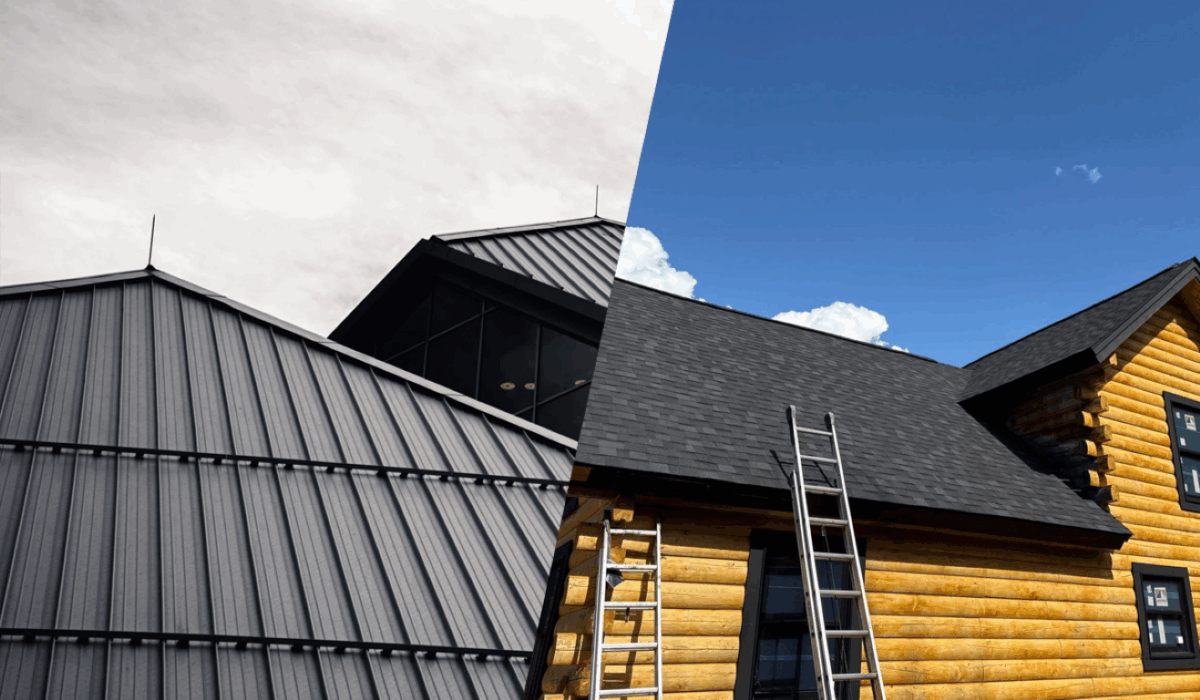
Many New England homeowners face a common roof replacement decision: metal vs. asphalt shingles. Both roofing materials are popular in New Hampshire and central New England, and each offers unique advantages in our snowy, four-season climate. Asphalt shingle roofs cover about 75% of U.S. homes – they’re the traditional choice. However, metal roofing has grown in popularity for its durability and longevity. In this comprehensive guide, we’ll compare metal vs. asphalt shingle roofs across all the key factors – from winter performance and lifespan to cost and curb appeal – so you can determine the best roofing material for a snowy climate like New Hampshire. Let’s dive into the pros and cons of each option and see which roof is right for your home in central New England.
Asphalt Shingle Roofs: Pros & Cons
- Pros: Asphalt shingles are affordable and widely available, making them the budget-friendly choice for most homeowners. Installation is relatively quick and simple for experienced crews, which helps keep labor costs low. Shingles come in many colors and styles to match different home designs – from historic colonials to modern ranches – so you can easily achieve the look you want. Repairs are also easy (damaged shingles can be replaced individually), and asphalt roofs tend to be quieter in rain or hail compared to metal. Overall, asphalt shingles offer reliable protection at a lower upfront cost, which is why they remain the most common roofing material.
- Cons: The biggest drawback is a shorter lifespan – most asphalt shingle roofs last around 15–25 years in New England before needing replacement. Shingles are also more vulnerable to harsh weather over time; high winds can lift or tear shingles, and heavy snow or ice can lead to damage or leaks if not addressed. They typically require more maintenance (periodic inspections, replacing loose or cracked shingles, removing moss). Asphalt shingles are less energy-efficient (they absorb heat rather than reflect it) and are petroleum-based, which means they are not eco-friendly and usually end up in landfills at end of life. In short, asphalt is cheaper upfront but will need replacement and repairs more often than metal roofing.
Metal Roofing: Pros & Cons
- Pros: Metal roofs are prized for their exceptional durability and longevity. Depending on the material, a metal roof can last 40–70+ years – easily double or triple the lifespan of an asphalt roof. Metals like steel and aluminum can shrug off New England’s severe weather: heavy snow slides off easily (reducing snow load risks), and interlocking metal panels resist high winds, hail, and even wildfires. Metal roofing is also low-maintenance – it won’t rot, and you won’t have shingle granules clogging gutters or algae growth on the roof. Many metal roofs have energy-efficient coatings that reflect the sun’s heat, keeping your home cooler in summer (which can cut AC costs). Environmentally, metal is a greener choice: it often contains recycled content and is 100% recyclable at end of life. (In fact, a metal roof can even be installed over an existing shingle roof in some cases, preventing tons of waste from a tear-off.) Modern metal roofing comes in a variety of styles and colors – including standing seam panels and metal shingles – so it can complement both contemporary and traditional home designs.
- Cons: The primary downside of metal roofing is the higher upfront cost. A metal roof often costs 2–3 times more than an asphalt shingle roof for the same home size. For example, an average New England home might spend $5,000–$15,000 for asphalt shingles vs. $15,000–$30,000 for metal. Additionally, not all contractors specialize in metal – installation requires special skills to ensure the panels are properly fitted and flashed. (Always hire an experienced metal roofing contractor for the job.) Metal roofs can also be noisier in heavy rain or hail than asphalt, though proper underlayment and attic insulation largely mitigate this. Aesthetic preferences are subjective – metal’s modern look isn’t for everyone or every neighborhood (some HOAs or historic districts favor the look of shingles). Lastly, while metal roofs are extremely tough, a very large hailstone or falling branch could dent the roof’s surface (cosmetic damage), whereas asphalt might hide small impacts. These considerations aside, the cons of metal roofing are mostly about cost and installation, rather than performance.
Now that we’ve outlined the general pros and cons, let’s compare metal vs. asphalt roofs across specific categories that matter for New Hampshire homeowners – from winter durability to resale value.
Durability & Weather Resistance
Metal Roofing: When it comes to brute strength against Mother Nature, metal has the edge. Metal roofs are engineered to withstand severe weather, including New England’s heavy snow, ice, and strong winds. Snow is less of a threat to metal roofs – the slick surface lets snow slide off, so huge accumulations don’t linger. This reduces the risk of structural overload and leaks from melting snow. Metal panels are also typically rated for very high wind speeds; many standing seam metal roofs can resist winds of 140 mph or more – far above the gusts of a typical Nor’easter. The interlocking design means there are fewer points for wind to lift compared to individual shingles. Metal doesn’t absorb water and has far fewer seams, so leak resistance during heavy rain is excellent. It’s also fire-resistant (important for lightning or stray sparks) and impervious to rot, insects, and mildew. Hailstones usually won’t puncture a metal roof (they might dent it, but the roof will remain weathertight). Overall, metal roofing offers top-tier durability in all seasons – it’s built to laugh off New England storms and keep protecting your home for decades.
Asphalt Shingles: Quality asphalt shingles are durable for everyday weather but less robust under extreme conditions. In a New England winter, asphalt roofs can certainly handle snow, but they may hold heavy snowpack longer than metal roofs – which can contribute to ice dams at the eaves if your attic is poorly insulated. Repeated freeze-thaw cycles and ice can weaken shingle edges or lift shingle tabs, potentially leading to water intrusion. High winds are a concern for shingles: strong gusts can get under shingles and tear them off if they’re aging or if installation wasn’t perfect. Most asphalt shingles are rated for winds around 110 mph (130+ mph for premium shingles with special nailing), which is usually sufficient, but exceptional wind events could cause shingle loss while a metal roof would likely hold fast. Hail can crack or bruise asphalt shingles and knock off protective granules, shortening the roof’s life. And whereas metal is virtually waterproof except at seams, asphalt shingles rely on overlapping layers – wind-driven rain can occasionally be blown under lifted shingle edges, causing leaks in severe storms. The good news is that asphalt roofing can still perform very well in New England with proper installation and maintenance. Choosing high-quality architectural shingles, installing ice & water shield underlayment, and ensuring good attic ventilation will all improve an asphalt roof’s resilience to snow and ice. Many asphalt roofs successfully withstand decades of Nor’easters, but in terms of pure durability, metal is the more weather-resistant option for our climate.
Lifespan
One of the starkest differences between asphalt and metal roofing is how long they last. Asphalt shingle roofs in New England typically have a lifespan of about 20–30 years at most, depending on the shingle quality and upkeep. Basic 3-tab shingles may only get ~15 years, while thicker architectural shingles can approach 30 years in ideal conditions. Our harsh winters, UV exposure, and thermal swings tend to age asphalt shingles toward the lower end of their range (you might start seeing curled, cracked, or missing shingles after two decades). In contrast, metal roofs last roughly twice as long. A properly installed metal roof can easily last 40–50 years or more. In fact, many metal roofs come with 40+ year paint or material warranties. Some higher-end metal materials (like copper, zinc, or aluminum shingles) have been known to last 70+ years in New England. Metal simply doesn’t deteriorate the way asphalt does – it won’t lose granules, dry out, or become brittle with age. This means if you plan to stay in your home long-term, you might replace an asphalt roof two or three times in the span of one metal roof. Bottom line: asphalt gives a few decades of service, while metal roofing provides multiple decades (often outlasting the ownership of the home). The extended lifespan of metal is a major factor in its higher long-term value.
Maintenance Requirements
Asphalt shingles require a bit more hands-on maintenance over the years. It’s wise to inspect your shingle roof annually (or after major storms) to look for loose, damaged, or missing shingles that need replacing. Homeowners often need to replace a few shingles now and then after windstorms. Asphalt roofs in New Hampshire can also develop moss or algae growth in our humid summers – periodic roof cleaning or zinc strip installation may be needed to prevent moss damage. You’ll also want to keep gutters clean; shingle granules will shed especially as the roof gets older, and debris buildup can lead to ice dams. In winter, it’s important to promptly remove extremely heavy snow from an asphalt roof (if safe to do so) to reduce stress on the structure. All told, asphalt isn’t high-maintenance, but it does benefit from periodic upkeep and timely small repairs to maximize its lifespan.
Metal roofing, by contrast, is often touted as low-maintenance. Since metal panels don’t crack or rip, there are no “pieces” to replace from storm damage in most cases. There’s also no granular surface to erode. A metal roof won’t grow moss or algae, so you avoid that cleaning chore. Ice dams are less likely to cause damage because ice can’t grip onto metal firmly – when snow does melt on a metal roof, water typically can’t seep between panels the way it might under shingles. Routine maintenance for a metal roof is usually limited to inspections every few years to check fasteners, flashings, and sealants (and even these often last a long time if installed correctly). You might need to clear leaves or branches off valleys or install snow guards if sliding snow is a concern, but otherwise metal roofs are often a “set it and forget it” investment. It’s worth noting that because metal lasts so long, you avoid the big expense of a full replacement for many decades – whereas an asphalt roof will definitely need replacing down the line (major maintenance). In summary, both roofs are relatively easy to live with, but metal will demand far fewer repairs and maintenance tasks over its lifespan.
Aesthetics & Curb Appeal
Looks are subjective, but the neighborhood context often influences this choice. Asphalt shingles have a traditional appearance that many homeowners (and home buyers) find familiar and attractive. They come in a vast array of colors from earth tones to bold hues, and in styles that can mimic wood shakes or slate. This makes it easy to match your roof to other homes in the area or to a classic New England architectural style. In fact, asphalt is often the go-to in historic districts or older neighborhoods where blending in is important. You can choose high-definition architectural shingles that add shadow lines and texture, boosting curb appeal. When new, a shingle roof has a clean, uniform look that complements most homes. On the flip side, metal roofing offers a more distinctive aesthetic. A standing seam metal roof, with its sleek vertical lines, can lend a modern, high-end look that sets your house apart. Metal is available in many colors (often earthy greens, barn red, matte black, etc.), though the color range can be a bit more limited than asphalt’s endless options. For homeowners who love a contemporary or farmhouse style, metal can be a gorgeous accent. There are even metal shingles and stamped metal panels that emulate cedar shakes or slate tiles, giving you a luxury look with the benefits of metal. Metal roofs also have a bit more dimension – panels can have high seams or textured finishes that play with sunlight differently than flat shingles. However, some buyers might not appreciate a metal roof’s appearance if they’re expecting a classic shingle look. It’s wise to consider your home’s style, your neighborhood’s character, and even local regulations (some HOAs restrict metal roofing). Both options can provide strong curb appeal: asphalt for a classic, blend-in look; metal for a bold, standout statement. In central New England, we see plenty of each – from quaint cape cods with dark shingle roofs to rustic farmhouses with metal roofs. It truly comes down to personal preference and context.
Cost: Upfront Price & Long-Term Value
For many homeowners, cost is the deciding factor. Asphalt shingle roofs are significantly cheaper upfront. In New Hampshire, installing an asphalt roof on an average home might run roughly $4–$8 per square foot (bringing a typical total to around $8,000–$15,000 depending on size and shingle type). Metal roofing, by contrast, often costs 2-3 times more per square foot installed. It’s not uncommon for a metal roof to range from $15,000 up to $30,000+ on the same home. The higher cost comes from both pricier materials and more specialized installation labor. However, it’s crucial to consider long-term value. That metal roof might last 50+ years, whereas the shingle roof will need replacement in 20 years or less. If an asphalt roof costs $10k today, and you’ll likely pay another $12k-$15k to replace it 20 years from now (accounting for inflation), the lifetime cost of asphalt may equal or exceed the one-time $20k investment for metal. Metal roofs also tend to incur lower repair costs over time and can reduce energy bills (reflective metal can cut cooling costs, which adds up over decades). In short: Asphalt shingles win on upfront affordability – they’re the best choice if your budget is tight or if you don’t plan to stay in the home long-term. Metal roofs require a bigger initial outlay but can save money in the long run through longevity and efficiency. Many homeowners see a metal roof as a one-and-done purchase for the life of the house. It’s also worth noting financing options: some roofing companies (like Jasmor) offer financing that can make a higher-end roof more attainable. Always weigh the immediate hit to your wallet against the 30- or 50-year picture of owning your roof.
Environmental Impact
If you’re an eco-conscious homeowner, metal roofing has a clear advantage. Metal panels are often made from recycled metals and can be recycled again when eventually removed. There’s very little waste, and old metal roofing doesn’t end up clogging landfills – it gets repurposed. Additionally, the ability to install metal over an existing roof means you can avoid sending a whole pile of torn-off shingles to the dump in the first place. Asphalt shingles, on the other hand, are a petroleum-based product (essentially a byproduct of oil refining) and most old shingles wind up in landfills. While there are some recycling programs for asphalt shingles, they are not widespread, and the material doesn’t decompose. From a sustainability standpoint, needing multiple asphalt roofs over decades creates much more waste than a single long-lasting metal roof. In terms of energy efficiency, as mentioned, metal roofs can reflect more solar radiation, which not only helps with home energy use but also means less heat island effect in your neighborhood. An asphalt roof will absorb sunlight and heat up more, potentially raising cooling demands in summer. (That said, in winter a darker asphalt roof may aid a bit with snow melt – though this benefit is small and can contribute to ice damming, negating the positive.) Overall, if reducing your home’s environmental footprint is a priority, metal is the greener roofing choice, while asphalt carries a higher environmental cost due to its materials and shorter lifespan.
Installation & Structural Considerations
When planning a roofing project in NH, it’s important to note some practical differences in installation and what your home’s structure may require. Asphalt shingles are the standard; nearly all roofing contractors know how to install them, and the process is straightforward. A crew can often tear off old shingles and install a new asphalt roof within a day or two on an average home. The material is moderately heavy – about 250-400 lbs per “square” (100 sq. ft.) for one layer of shingles. Building codes usually allow up to two layers of asphalt shingles on a roof. Any more than that, and the weight (~2-3 tons on an average house) becomes too much. In fact, asphalt shingles are about 5 times heavier than metal roofing for the same area. This matters for low-slope roofs especially: a low-pitch roof with heavy shingles plus snow load can stress an older structure. Metal roofing is much lighter. Per 100 sq. ft., metal panels might weigh only 50-100 lbs, reducing the dead load on your home. This means if your structure can support asphalt (virtually all can), it will easily support metal. Metal can often be installed over one layer of existing shingles (with an approved underlayment), sparing you a tear-off job. Structurally, that’s a win-win: you avoid extra weight and avoid exposing the roof deck. Installation complexity is higher for metal – panels must be custom cut and fitted, and flashing details around chimneys, skylights, and valleys are critical. Not every roofer has the expertise for a flawless metal installation, so you’ll want to hire a skilled contractor (like an Owens Corning Platinum contractor who also handles metal, e.g., Jasmor). Metal installation can take longer, too (several days instead of one or two). Also, consider noise and insulation: a metal roof is typically installed over solid roof decking with underlayment, so noise is usually a non-issue. But if you were to install metal over open purlins (not common in residential here), you’d want to add insulation to dampen sound. In summary, asphalt is quick and simple to install, while metal is specialized and precise – be sure to choose a contractor with metal roofing experience. From a structural standpoint, both materials work on most homes (metal’s lighter weight is a plus), but extremely complex rooflines or architectural details might be easier to execute with shingles. Always ensure your installer assesses your roof deck and structure; any necessary repairs or reinforcements can be done during the roofing job regardless of material.
Resale Value & Home Value Impact
Homeowners often ask: will a more expensive metal roof increase my home’s resale value enough to justify the cost? The answer can depend on the market, but there are some trends. New roofing in general is a great selling point – buyers in New England love knowing a house has a recently installed roof (it means they likely won’t have to bear that cost for years). A new asphalt shingle roof will definitely make your home more attractive to buyers and can help you command a higher price (or sell faster) compared to an old roof. According to Remodeling Magazine’s 2024 Cost vs. Value Report, a roof replacement with asphalt shingles adds about 56–60% of its cost to the home’s value, whereas a metal roof replacement adds around 48–50% of its cost to value. This means you generally won’t recoup the full extra expense of metal solely through resale price. Why? Because if a buyer values a new roof, they value it whether it’s $10k or $30k – the boost in sale price won’t equal what you paid for a premium material. However, other studies have shown that a metal roof can increase a home’s value by up to 6% and that homeowners recoup ~85% of a metal roof’s cost on average. The data varies by region and home type. In the Northeast, where winter durability is a selling factor, a metal roof can indeed be a desirable feature. It might not dollar-for-dollar equal its cost, but it could make your home stand out and sell faster at a strong price. On the flip side, a brand-new asphalt roof is often enough to satisfy buyers – it’s the standard expectation and still offers them ~20 years of security. In short, both roofing options add resale value: asphalt gives a solid return on investment and meets market expectations, while metal might add slightly more appeal for the longevity-minded buyer but with a lower percentage ROI. If you’re planning to sell in the near term, a new asphalt roof may be the more cost-effective choice. If you intend to live in your home for many years (or if you simply prefer metal), don’t let resale stats dissuade you – there are buyers who will pay a premium for the durability and look of a metal roof in New England. In either case, having a professional roof installation (with a transferable warranty) by a reputable company like Jasmor Properties will itself give buyers confidence, which helps maximize resale value.
How to Decide: Which Roof Is Best for You?
Both metal and asphalt shingle roofs can protect your New England home – the “better” choice really depends on your priorities, budget, and how long you plan to stay in your home. Here are some guidelines to help you decide which roof suits your needs:
- Length of Homeownership: How long do you expect to live in this home? If you’re planning to move in a few years (or flipping a house), the lower cost of asphalt shingles likely makes more sense – you’ll spend less now and still have a marketable new roof for sale. However, if this is your forever home and you want a roof that will last a lifetime, a metal roof’s extra longevity pays off in spades. Investing more now could save you the cost and hassle of re-roofing 20 years down the line.
- Budget and Upfront Cost: What does your budget allow right now? If you need a new roof and cost is the overriding factor, asphalt shingles will get the job done for considerably less money. You can always opt for higher-quality asphalt shingles to maximize life. If you have more financial flexibility (or financing options), consider whether the long-term savings of metal justify the higher initial expense. Some homeowners calculate that, over 40-50 years, metal turns out cheaper when avoiding multiple replacements. But those savings come far in the future – so only choose metal if you’re comfortable with the upfront price.
- Climate & Location: Think about your specific New England climate and home site. Do you live on a windy hilltop or in a very snowy locale like central New Hampshire’s Lakes Region? Metal roofing will offer peace of mind against high winds and heavy snow loads. Do you have a low-pitch roof that struggles with ice dams or snow buildup? Metal could alleviate those issues with its quick-shedding surface. Conversely, if your area sees milder conditions or if your roof is steep and sunny (sheds snow well already), asphalt shingles can perform perfectly well with proper attic insulation and ventilation. Both types are used successfully throughout NH – but metal shines in extreme conditions.
- Maintenance Tolerance: Be honest about how you feel regarding maintenance and minor repairs. Are you okay with occasionally having to replace a shingle or fix a small leak, and scheduling a roof tune-up every so often? If so, asphalt’s maintenance needs are manageable and not a deal-breaker. If you’d prefer to “set it and forget it” and do very little to your roof over the next 30+ years, a metal roof aligns with that desire for low maintenance.
- Aesthetics & Neighborhood: What style do you envision for your home, and what’s the norm in your neighborhood? If maintaining a classic look is important – for example, your home is a Victorian or in a historic town center – you might lean toward asphalt shingles (or a metal product specifically designed to mimic shingles) to fit the character. If you love the modern look of standing seam metal or want your home to pop with a bold architectural feature, metal is the way to go. Also consider home value relative to others nearby: you generally don’t want to put a super high-end roof on a modest house in a modest neighborhood if you’re concerned about resale, as you might not recoup much of the extra cost.
- Long-Term Value: If your goal is maximizing long-term value and performance, and you view a roof as a long-term investment in the home (rather than a short-term expense), metal provides superior durability, energy efficiency, and longevity that will pay off over time. If your goal is to get a quality roof at the best price point today and you’re okay with the idea of replacing it in 20-25 years, premium asphalt shingles are likely the better fit. There’s no right or wrong answer – it’s about what benefits you value most.
Still unsure? You’re not alone – many homeowners weigh these factors carefully. That’s where a professional consultation can be incredibly helpful.
Ready for a New Roof? Contact Jasmor for a Free Quote
Deciding between metal and asphalt shingles is easier with an experienced local contractor by your side. Jasmor Properties, LLC has over 20 years of roofing experience in central New England (we’re based in Loudon, NH). We’ve installed countless asphalt shingle roofs and standing seam metal roofs on homes across New Hampshire, so we understand exactly how each material performs in our climate. Our team doesn’t just install roofs – we educate homeowners on their options and provide honest recommendations to fit your goals. If you’re considering a roof replacement in NH, let Jasmor guide you to the ideal solution. We can assess your current roof, discuss your needs and budget, and help you weigh the pros and cons of metal vs. asphalt for your specific home.
Contact Jasmor Roofing today for a free roof inspection and quote – we’re happy to answer all your questions and provide a no-obligation estimate. As an Owens Corning Platinum Preferred Contractor, we deliver top-quality installations whether you choose our top-tier asphalt shingles or a premium metal roofing system. New England winters are tough, but with Jasmor’s expertise, you’ll have a roof that meets the challenge head-on. Call us at (603) 961-0335 or contact us online to get started on your roofing project. We’re proud to serve Loudon, Concord, Laconia and all of central NH with professional, reliable roofing services.
Don’t gamble with your home’s protection – get in touch with Jasmor Properties and enjoy peace of mind knowing your home will be sheltered by the very best in metal or asphalt roofing. Let us put our local roofing experience to work for you, so you can enjoy a safe, beautiful home for years to come, no matter what New England’s weather brings!